International Trademark Registration Through the Madrid Protocol: A Guide for Indian Businesses
The Madrid Protocol allows Indian businesses to seek trademark protection in multiple countries through one international filing system. It simplifies filing and portfolio management, but it does not create a single worldwide trademark. Each selected country can still examine and refuse protection under its own trademark law.
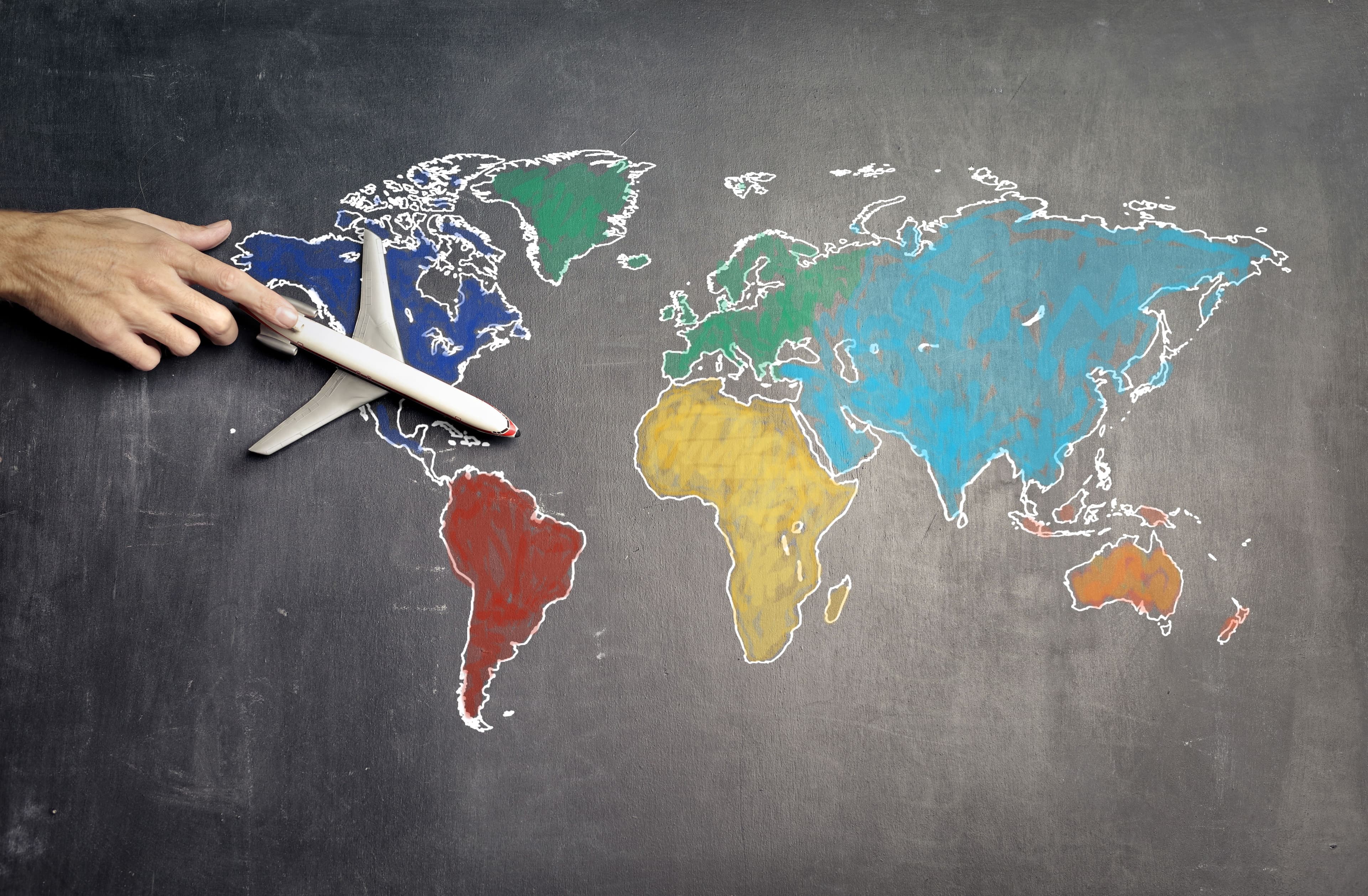
An Indian business expanding overseas does not automatically receive trademark protection in other countries merely because its brand is registered in India. Trademark rights are territorial, which means protection generally needs to be secured in each market where the business intends to operate. The Madrid Protocol provides a centralised route through which eligible Indian applicants can seek protection across multiple member countries.
The system can reduce the administrative burden of filing separate applications in every jurisdiction. However, the Madrid Protocol does not create one global trademark that is automatically valid everywhere. Each country selected in the international application retains the power to examine the mark under its own domestic law.
How the Madrid Protocol Works
1. One Application Can Cover Multiple Countries
The Madrid System is administered by the World Intellectual Property Organization, or WIPO. An eligible applicant can submit one international trademark application and designate the member countries or regions where protection is sought. The application can therefore form the basis of a multi-country trademark strategy.
The international registration is managed centrally through WIPO, which can simplify later renewals and certain ownership or administrative changes. Protection in each designated country nevertheless remains subject to that country's trademark law. A refusal in one country does not automatically mean that protection will fail everywhere else.
2. An Indian Trademark Is Required as the Basic Mark
An applicant filing through India must first have an Indian trademark application or registration that serves as the basic mark. The international application is linked to that Indian application or registration. The trademark and the goods or services claimed internationally must therefore remain consistent with the scope of the basic mark.
This makes the original Indian filing important to the international strategy. A poorly drafted specification in India can limit what the applicant is able to pursue internationally through the Madrid System. Businesses planning overseas expansion should therefore consider future markets when preparing the Indian application itself.
How to File Through India
1. Confirm Eligibility to Use India as the Office of Origin
An applicant must have the required connection with India to file an international application through the Indian Trade Marks Registry. This can arise through Indian nationality, domicile, or a real and effective industrial or commercial establishment in India. The applicant must also own the Indian basic application or registration on which the international filing is based.
The identity of the international applicant should therefore correspond with the proprietor of the basic mark. Ownership problems should be resolved before the international filing is prepared. A trademark held personally by a founder, for example, may create difficulties where the company is intended to own and expand the brand internationally.
2. Select the Countries Where Protection Is Needed
The applicant chooses the Madrid members in which trademark protection is sought. There is usually little reason to designate countries merely because they are available under the system. The selection should follow the business's actual expansion, manufacturing, distribution and customer strategy.
The likely cost and legal risk should also be considered country by country. Some jurisdictions charge individual designation fees, while others may have specific filing requirements. A focused international portfolio is often more commercially useful than filing broadly without a clear market strategy.
3. File the International Application Through the Indian Trade Marks Registry
An international application originating from India is submitted through the Indian Trade Marks Registry as the Office of Origin. Form MM2 is used for the international application, and the Registry checks whether the details correspond with the Indian basic mark. Once certified, the application is transmitted to WIPO.
The applicant does not bypass the Indian Registry and file the originating application independently with WIPO. Certification by the Office of Origin is an essential part of the process. Inconsistencies between the Indian application and the international application can therefore delay transmission or require correction.
4. Pay the Applicable International Fees
Madrid System fees are generally paid to WIPO in Swiss francs. The overall amount depends on matters such as the countries designated, the number of classes and the fee structure applicable to those jurisdictions. There is therefore no single fixed price for an international trademark application.
Businesses should calculate the expected fees before choosing the Madrid route. Designating several markets can still involve substantial filing costs even though the administration is centralised. WIPO maintains a fee calculator that can be used to estimate the international fees based on the proposed application.
What Happens After the Application Is Filed?
1. WIPO Conducts a Formal Examination
Once the Indian Trade Marks Registry certifies and transmits the application, WIPO reviews it for formal requirements. This includes matters such as applicant information, classification, the list of goods and services and payment of the applicable fees. WIPO does not decide whether the trademark is legally distinctive or conflicts with an earlier trademark in every designated country.
If the formal requirements are satisfied, WIPO records the trademark in the International Register and publishes the international registration. The application is then communicated to the trademark offices of the countries or regions selected by the applicant. The substantive examination effectively moves to those designated offices.
2. Each Country Examines the Trademark Under Its Own Law
Every designated country can examine the trademark in the same way it would examine an appropriate national application. An office may raise objections because the mark is descriptive, lacks distinctiveness or conflicts with an earlier trademark. The Madrid Protocol does not override these national grounds for refusal.
This means that international registration by WIPO should not be confused with final trademark protection in every designated country. One country may grant protection while another raises a provisional refusal. The result can therefore differ from jurisdiction to jurisdiction.
3. A Provisional Refusal May Require Local Counsel
If a designated office objects to the trademark, it may issue a provisional refusal through the Madrid System. The applicant must then respond according to the procedural and substantive law of that jurisdiction. In many cases, local trademark counsel may be required to handle the response.
The centralised filing system therefore does not completely eliminate the need for country-specific advice. Local lawyers may become necessary where examination objections, oppositions or other disputes arise. This possibility should be considered when budgeting for international trademark protection.
Important Limitations of the Madrid Protocol
1. The International Registration Depends on the Basic Mark for Five Years
One of the most important features of the Madrid System is the five-year dependency period. For five years from the date of the international registration, the international registration remains dependent on the Indian basic application or registration. If the basic mark is refused, withdrawn, cancelled or otherwise ceases to have effect during the relevant period, the international registration may be affected to the corresponding extent.
This makes the strength of the Indian basic mark particularly important. Filing internationally from an Indian application that faces a serious registrability or ownership problem can create wider risk across the international portfolio. The basic mark should therefore be reviewed carefully before a significant Madrid filing is made.
2. The Madrid Protocol Does Not Guarantee Registration
The convenience of filing one international application should not be mistaken for a guarantee of protection. Each designated trademark office continues to apply its own rules concerning distinctiveness, similarity and other grounds for refusal. A mark accepted in India may therefore encounter difficulty elsewhere.
Pre-filing searches can be especially valuable in important markets. A business planning a major launch in the United States, European Union, United Kingdom or another jurisdiction should assess local trademark risks before relying on the Madrid filing alone. Discovering a serious conflict only after designation can increase both cost and delay.
3. The International Application Cannot Simply Expand Beyond the Basic Mark
The international application is built around the Indian basic application or registration. The goods and services sought internationally cannot simply exceed the scope of the basic mark. An overly narrow Indian application can therefore restrict the international filing strategy.
Businesses expecting international expansion should consider this when drafting their Indian trademark specification. The specification should accurately cover the current or genuinely intended commercial activities without becoming unnecessarily broad. International strategy should ideally be considered before the basic filing rather than after it.
Managing an International Registration
1. Additional Countries Can Be Added Later
A business does not necessarily need to designate every target country when the first international application is filed. Additional Madrid members may later be added through a subsequent designation. This allows the trademark portfolio to expand as the business enters new markets.
Subsequent designation can be useful for growing companies whose international plans develop gradually. The business can initially protect its priority markets and add further jurisdictions when expansion becomes commercially realistic. Local availability should still be checked before each new designation.
2. International Registrations Are Renewed Every Ten Years
An international registration under the Madrid System is valid for ten years and can be renewed for further ten-year periods. Renewal is managed centrally through WIPO rather than through separate renewal procedures for every designated Madrid member. This is one of the significant administrative advantages of the system.
Central management does not eliminate the need to monitor the status of protection in each jurisdiction. A country may have refused protection or the scope of protection may differ from another designated market. Businesses should maintain a record showing both the international registration and the individual status of each designation.
When Does the Madrid Protocol Make Sense?
1. The Business Is Entering Several Foreign Markets
The Madrid route can be particularly useful where a business wants protection in several countries that are members of the system. A single filing framework can reduce administrative duplication and simplify later portfolio management. The advantage becomes more meaningful as the number of relevant jurisdictions increases.
A company planning only one overseas market should still compare the Madrid route with a direct national filing. Local filing may sometimes be commercially preferable depending on the country, the mark and the expected examination issues. The cheapest filing route is not necessarily the best long-term strategy.
2. The Brand and Indian Basic Mark Are Relatively Strong
The five-year dependency period makes the strength of the basic mark important. A distinctive trademark with a properly structured Indian application may provide a more stable foundation for international filing. A basic application facing serious objections or ownership uncertainty deserves closer review before being used for broad international expansion.
Businesses should also consider whether the same mark will genuinely be used internationally. Different markets sometimes require different product names or branding strategies. International registration is most useful where the business expects to build the same brand across multiple jurisdictions.
Frequently Asked Questions
1. Does the Madrid Protocol Give a Worldwide Trademark?
No. The Madrid Protocol provides a centralised system for seeking trademark protection in selected member countries. Each designated country examines the mark under its own law and can grant or refuse protection independently.
An international registration should therefore be understood as a framework connecting multiple territorial rights. It is not a single trademark automatically enforceable throughout the world. Countries that are not part of the Madrid System may require separate national or regional filings.
2. Do I Need an Indian Trademark Before Filing Internationally?
An applicant filing through India needs an Indian basic trademark application or registration. That basic mark forms the foundation of the international application. The applicant must also satisfy the eligibility requirements for using India as the Office of Origin.
The Indian mark does not necessarily have to be fully registered before the Madrid filing is initiated because an Indian application can serve as the basic application. However, reliance on a pending application creates additional risk if that application later fails during the five-year dependency period. The status and strength of the basic mark should therefore be considered before filing.
3. Can a Country Refuse My Trademark Even After WIPO Registers It?
Yes. WIPO's international registration principally confirms compliance with the Madrid System's formal requirements. Each designated country still conducts its own examination under local trademark law.
A national office may therefore issue a provisional refusal even after WIPO has recorded the international registration. The applicant may need to respond locally within the applicable deadline. Protection can ultimately be granted in some designated countries and refused in others.
4. Can More Countries Be Added Later?
Yes. Additional Madrid members can generally be added to an existing international registration through subsequent designation. This allows businesses to expand protection as they enter new territories.
The later designation does not change the original international registration into a new ten-year registration for that country. It operates within the lifecycle of the existing international registration. Timing should therefore be considered where a subsequent designation is planned close to renewal.
5. How Long Does an International Trademark Registration Last?
An international registration is valid for ten years and can be renewed for successive ten-year periods. Renewal is handled centrally through WIPO for the countries in which protection is being maintained. The business should nevertheless continue monitoring the individual status of each designated jurisdiction.
Conclusion
The Madrid Protocol can provide Indian businesses with a more efficient route to international trademark protection, particularly where the same brand will be used across several overseas markets. It allows multiple jurisdictions to be covered through one international filing and provides centralised management of the resulting registration. Each selected country nevertheless retains control over whether the trademark receives protection under its national law.
The international strategy should therefore begin with a strong Indian basic mark and careful selection of target markets. Businesses should also consider local trademark searches, the five-year dependency period and the possibility of country-specific objections before filing. Used strategically, the Madrid System can simplify international brand protection without replacing the need for market-specific trademark analysis.
About the Author
Shauree Gaikwad is the founder of Wayver and advises founders, businesses and brand owners on corporate, commercial and intellectual property matters. Her practice includes trademark searches, filings, international trademark strategy, examination-report responses and oppositions. She also advises businesses on trademark ownership and intellectual property issues arising during cross-border commercial expansion.
This article is intended for general informational purposes and does not constitute legal advice. International trademark strategy will depend on the applicant's basic mark, target jurisdictions, goods or services and commercial expansion plans. Specific advice should be obtained before filing an international trademark application.
This article is published for general informational purposes about Indian law and practice. It is not legal advice, and nothing in it is intended to be, or should be construed as, advertising, solicitation, or inducement of any kind. No advocate–client relationship is created by reading this article, commenting on it, or otherwise accessing this website. Its contents are accurate to the best of our knowledge as of the date of publication and may not reflect subsequent changes in law. We accept no liability for any loss arising from reliance on this article. Please seek independent legal advice specific to your circumstances before acting on anything discussed here.